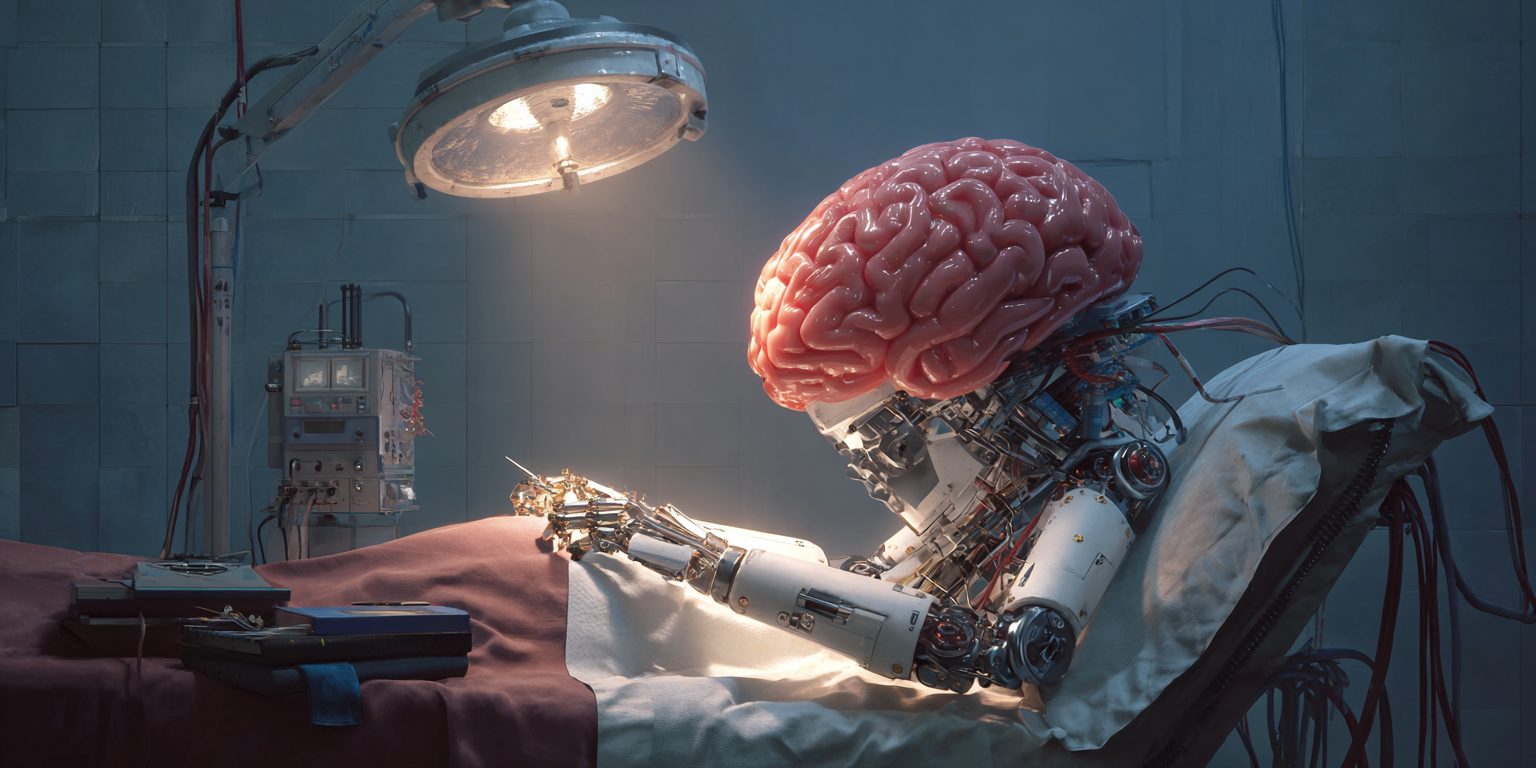
The idea of GPT-4’s full power—its surgical reasoning, its ability to draft code or diagnose diseases—being unleashed on the world for free feels like a tech utopian’s fever dream. Or a dystopian’s nightmare. Either way, the ramifications would be seismic. Startups in Lagos could build AI-powered farms overnight. Researchers in São Paulo might crack protein folding without a grant. But so could scammers in Myanmar flood the web with deepfakes, and corporations in Silicon Valley cement their dominance under the guise of “democratization.”
China, meanwhile, is playing a different game. While the West debates open-access AI, Baidu’s Ernie Bot is quietly reshaping the country’s industrial backbone. It’s not a chatbot vying for consumer attention—it’s a cog in China’s machine, optimized for precision, not panache. Take healthcare: Ernie Bot doesn’t just spit out general medical advice; it’s trained on 550 million Chinese-specific entities, from rare herbal interactions to regional disease patterns. In legal tech, it’s not generating generic contracts—it’s auto-drafting documents that comply with China’s labyrinthine regulations, cutting drafting time by 70%.
This isn’t about rivaling GPT-4’s flashy capabilities. It’s about building AI that fits China’s ecosystem. Ernie Bot’s tools are designed to slot into factories, hospitals, and government databases—systems where Western models, with their generalist focus, often flounder. And it’s cheaper: 40% less to run than GPT-4’s API calls, a critical edge in cost-sensitive industries like manufacturing and logistics.
But the real divide isn’t just technical—it’s philosophical. Free GPT-4 would treat AI as a global commons, a force of creative destruction. China’s approach treats it as a national asset, to be controlled, localized, and weaponized for economic digitization. While Western regulators scramble to contain AI’s wildfire spread, China’s are baking ethics into the code—not out of altruism, but to avoid the kind of backlash that’s already sparked bans in Europe and lawsuits in the U.S.
The result? Two worlds: one where AI is a free-for-all, and another where it’s a state-sanctioned tool. In the first, innovation might explode—but so could misinformation, job loss, and centralization of power. In the second, progress is slower, but steadier, with AI serving as infrastructure rather than disruptor.
The irony? China’s model might be more sustainable. While the West frets over “AI safety,” Ernie Bot is already powering smart cities and autonomous factories, its risks mitigated by design. Free GPT-4 could win the headlines, but China’s quiet, calculated approach might win the long game.
The AI race isn’t about who builds the smartest model—it’s about who builds the most adaptable one. And in a world where “free” often comes with hidden costs, China’s playbook might just be the smarter bet.
Member discussion: